How to Identify Loose or Missing Slates Before Leaks Develop
Slate roofs are admired for their durability and classic aesthetic, but even the toughest slate can become vulnerable when slates loosen or go missing. Early detection of these issues is crucial to prevent water ingress and costly damage. This article provides an in-depth analytical breakdown on how to identify loose or missing slates before leaks develop, equipping homeowners and property managers with practical knowledge to protect their roofs.
Recognizing the subtle signs of slate deterioration requires a systematic approach, combining visual inspection with understanding the structural components of slate roofing. By analyzing these factors, you can effectively assess your roof’s condition and address problems before they escalate. The insights covered will help you discern the root causes and the best preventive measures for slate roof maintenance.
How to Identify Loose or Missing Slates Before Leaks Develop: Inspection Techniques
Visual Indicators of Slate Damage
One of the most straightforward methods to spot loose or missing slates involves a thorough visual inspection from the ground and, when safely possible, on the roof itself. Look for slates that appear misaligned, cracked, or displaced, as these can be early signs of slippage or detachment. Missing slates create visible gaps that can expose the underlayment, signaling an urgent need for repair before water intrusion occurs.
Checking for granule loss or discoloration can also reveal aging or weathered slates. These subtle changes often precede physical damage and can hint at underlying issues such as poor fastening or prolonged weather exposure. Regular inspections during seasonal changes increase the likelihood of detecting problems early.
Physical Tests to Confirm Slate Stability
Careful manual probing can confirm if slates are securely fastened. Gently pressing or tapping suspected loose slates may reveal movement or rattling, indicating they are no longer firmly attached. This approach requires caution to avoid causing further damage but provides definitive evidence of instability.
Additionally, assessing the condition of the nails or clips holding the slates in place is essential. Corroded or missing fasteners often lead to looseness, allowing slates to shift or fall off. Identifying these issues early facilitates timely interventions that restore roof integrity.
Roof Surface Patterns and Debris Accumulation
Uneven roof surfaces or irregularities in slate alignment often point to underlying problems. Slates that have shifted may create waves or ridges on the roof plane, disrupting its uniform appearance. These distortions can compromise water runoff, increasing the risk of leaks.
Accumulated slate fragments or granule debris in gutters and around the property also suggest slate damage. Observing these signs during routine maintenance indicates that slates may be loosening or missing, warranting a more detailed inspection by professionals.
Engaging a qualified slate roof repair in London specialist can provide a comprehensive evaluation of these indicators, ensuring that any loose or missing slates are addressed before leaks develop.
Material and Structural Factors Influencing Slate Stability
Slate Quality and Natural Characteristics
The inherent properties of natural slate, including its thickness, cleavage, and durability, affect how well slates resist loosening over time. Variations in these characteristics can result in differentiated wear rates across the roof. Recognising these nuances helps in predicting areas prone to damage.
Lower-quality slate may be more susceptible to cracking or breaking under stress, while premium slate often retains its integrity longer. Understanding these material factors aids in targeted inspections and maintenance planning.
Fixing Techniques and Their Impact
The method used to fix slates—whether nails, hooks, or adhesives—plays a critical role in their long-term stability. Improper installation or substandard fastening techniques can lead to premature loosening. Examining the fixing approach during inspection can uncover installation flaws contributing to slate displacement.
Modern improvements in fixing technology offer enhanced resistance to wind uplift and weather conditions, but older roofs may require retrofitting or repairs to meet current standards. Evaluating the fixing system is essential for effective preventive maintenance.
Environmental and Weather Influences
Exposure to harsh weather such as heavy rain, strong winds, freeze-thaw cycles, and temperature fluctuations can accelerate slate deterioration and loosening. These forces apply mechanical stress that challenges the roof’s structural resilience. Identifying patterns of environmental impact supports proactive maintenance scheduling.
Areas with frequent storms or extreme weather require more frequent inspections to catch early signs of slate damage. Recognizing these environmental factors sharpens the focus of preventive strategies.
Advanced Inspection Methods for Detecting Early Slate Issues
Drone and Aerial Photography Assessments
Utilizing drones equipped with high-resolution cameras offers a safe and effective way to inspect hard-to-reach roof areas. Aerial photography reveals detailed images of slate arrangement, alignment irregularities, and missing sections without the risks associated with manual roof access. This technology facilitates early identification of problematic slates before leaks develop.
Drone inspections can also document roof conditions over time, assisting in monitoring changes and planning interventions. This method is particularly valuable for large or steeply pitched roofs where traditional inspections are challenging.
Infrared Thermography for Moisture Detection
Infrared cameras can detect temperature variations that indicate moisture presence beneath roof slates. Since loose or missing slates often allow water ingress, thermography can pinpoint damp areas invisible to the naked eye. This non-invasive technique complements visual inspections by revealing hidden leaks at an early stage.
Interpreting infrared data requires expertise, but it provides a powerful tool for preventive maintenance. Employing such technology ensures that underlying issues are addressed before structural damage occurs.
Professional Roof Surveys and Structural Analysis
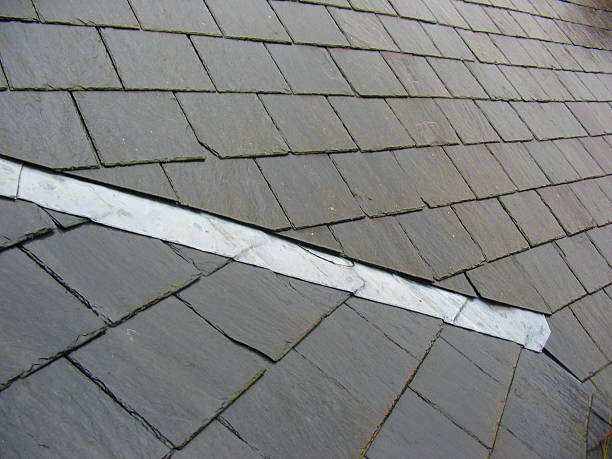
Comprehensive roof surveys conducted by experienced contractors evaluate not only slate conditions but also the supporting roof structure. Assessing elements such as roof batten specifications and roof valley construction helps understand how slate stability interacts with overall roof integrity. This holistic approach identifies vulnerabilities that might contribute to slate loosening.
Regular professional assessments ensure that repairs align with best practices and industry standards. For example, attention to roof valley construction is critical in preventing water infiltration where slates meet valleys, a common weak point.
Preventive Maintenance and Repair Strategies
Timely Slate Replacement and Securing
Addressing loose or missing slates promptly prevents water from penetrating the roof’s underlayment and causing leaks. Replacing damaged slates with matching materials maintains the roof’s weatherproofing and aesthetic coherence. Securing slates with appropriate fixing techniques enhances durability and reduces the risk of future displacement.
Routine maintenance schedules should prioritize areas identified as high risk during inspections to maximize protection. Professional tile roof replacement in London services can assist in ensuring quality workmanship for slate and tile roofs alike.
Ensuring Proper Roof Ventilation and Drainage
Good roof ventilation reduces moisture buildup beneath slates, mitigating conditions that lead to slate decay and loosening. Similarly, effective drainage systems prevent water pooling that can damage slates and roof components. Inspecting and maintaining these features supports prolonged slate stability and overall roof health.
Adjustments to ventilation or drainage may involve modifying roof ridge detailing or improving gutter systems. These interventions contribute to a comprehensive roof maintenance strategy.
Regular Inspection and Documentation
Keeping detailed records of roof inspections and repairs helps track changes over time and identify recurring issues. Scheduled inspections, especially after severe weather events, allow for early detection of slate problems. Consistent monitoring ensures that loose or missing slates are identified well before leaks develop, preserving the roof’s integrity and extending its lifespan.
Key Takeaways from the Analysis
Identifying loose or missing slates before leaks develop requires a combination of vigilant visual inspections, understanding material and structural factors, and employing advanced detection methods. Early detection limits water damage and costly repairs, safeguarding the roof’s performance. Recognizing signs such as misaligned slates, debris accumulation, and fastening deterioration is essential for proactive maintenance.
Integrating professional assessments with modern technologies like drone surveys and infrared thermography enhances accuracy and safety during inspections. Preventive measures, including timely slate replacement and ensuring proper ventilation, further contribute to roof resilience. By applying these analytical insights, homeowners can effectively manage slate roofs and prevent leaks long before they occur.
A&A Roofing Solutions
Address: 17 Honey Lane, Waltham Abbey, United Kingdom
Phone No.: +44 800 048 5580
Map Location: https://maps.app.goo.gl/o1Ja2ikKhnfLQY5f8


Comentarios
Publicar un comentario